


Biology, Climate Change & Environmental Issues
These projects highlight the impact of the environment on
human biology & the ecosystem


Coral Reefs
Circle of Life
Restoring our Marine Biology and Ecosystem

Climate Change
-
Audience Selection Analysis
-
Energy and Radioactive Forcing
-
Transfer of Energy
-
Glaciers & Ice Caps- Rising Water Levels
-
Super Storm- Hurricane Sandy
-
Geological Time-Scale
-
Potential Impact
Climate Change Final Project that covers Audience selection and Analysis, Commentary, The Earth’s Climate System, Climate Impact from Atmosphere Energy and Geological Events, History of Climate Change, Potential Impact, Politics Behind Climate Change and the Conclusion.
The audience that was selected is the general public because through word of mouth the project will be able to reach a wider audience therefore informing them of the urgency of climate change. The relationship between this audience and climate change is that the weather patterns have affected every country on a global scale and the general public have experienced regional changes throughout our planet. Climate change affects all of us and no one is immune to these changes no matter where they live. To give the most effective analysis of climate change the audience needs to know information that is critical to their understanding of what climate change is. Some of the information would be describing how the sun along with its orbital cycles plays a role in controlling the Earth’s climate (Kitchen, 2016, p. 55). Another important piece of information is to recognize that the different parts of the climate system can be effected by just one small change that can have catastrophic consequences such as a hurricane of epic proportions (Kitchen, 2016, p. 55). There needs to be an understanding of the influencing factors of radiative forcing along with comparing the greenhouse effects both on a natural and enhanced scale (Kitchen, 2016, p. 55).




Biology:
Pollution-
Environmental
Impact on Human Health
•Herbicides kill weeds
•Insecticides or pesticides kill bugs
•Fungicides which get rid of disease
•Soil fumigants
•Desiccants
•Harvest aids
•Plant growth regulators


•Food processing techniques can substantially reduce pesticide residues
•Prolongs shelf-life-less waste
•Act as antioxidants by making the food more acidic and slow down the ripening process
•Prevent the growth of microorganisms
•Higher pesticide residue
•Accumulate in human tissue and have carcinogenic
and/or estrogenic properties
•Increase the risk for endocrine-related cancers as well as breast cancer
Geography
London: Regional Realm and Location
51.50642° N, -0.12721° E
•London - geographic realm of the western part of Europe.
•Abundance of soils.
•Fishing capabilities.
•Animals and forests,
•Coal, mineral ores, oil as resources.
•Natural human migration and opportunities.
•Significant location makes this city easily accessible by sea and air.
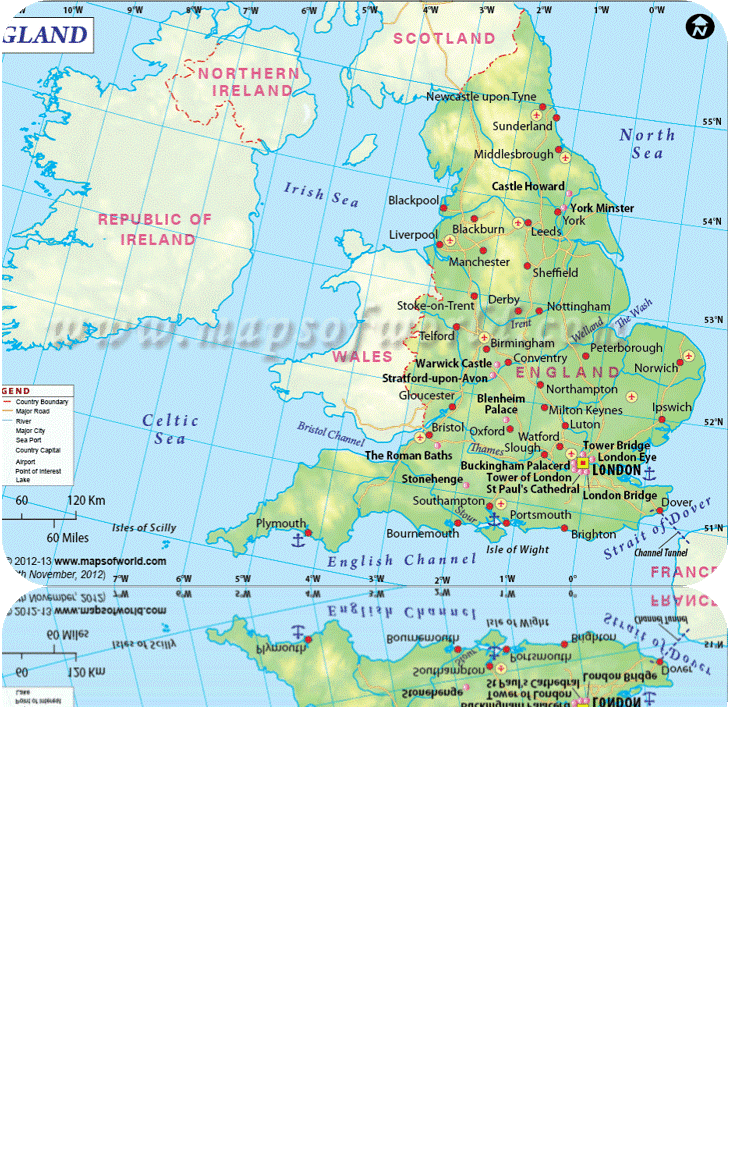


•London’s location and connectivity to the rest of the world through rivers and oceans.
•Import and export of goods providing movement and economic sustainability viable (Wiley, 2016, p. 5.1).
•London as the epicenter of the United Kingdom.
•Desired tourist destination.
•London's economy growing 3.3 per cent year on year.
•Professional, scientific and technical services industries making this a viable region for commerce (City AM, 2017).

